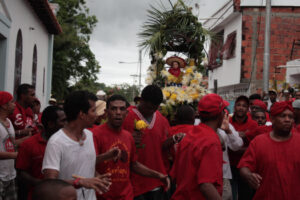



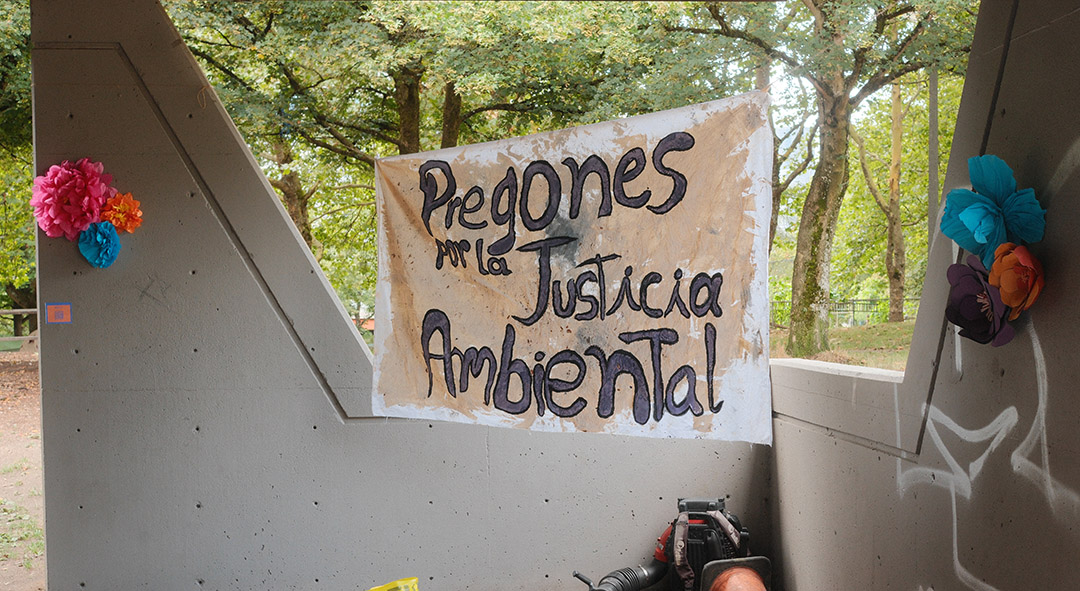
Art, ancestry, and Afro-Latin resistance raise their voices against environmental racism in Seattle
In the memory of Black and Indigenous peoples of Abya Yala, the pregón is not just simple street singing: it is living history, oral tradition, and resistance. From colonial markets to contemporary streets, pregonar has been a way to communicate, sell, warn, and denounce. As historian Ileana Rodríguez-Silva reminds us, pregones embody popular creativity and the strength of orality as a tool to challenge imposed social orders, racial hierarchies, and exclusionary policies.
The pregón has deep roots. Its medieval precedent in the Iberian Peninsula was transformed in colonial Hispanic America into an ambiguous role: officials proclaiming edicts, enslaved or free Black men carrying official messages, and at the same time street vendors turning the street into a stage for the exchange of news, goods, and sharp critiques. Indigenous, African, and mestiza women shared that space, crossing gender and racial boundaries, making the marketplace a laboratory of creativity and resistance.
Although printing and literacy displaced the official town crier, the practice did not disappear. It remains alive in the streets of Latin America and the Caribbean, re-signified by street vendors and artists who keep it alive in the face of new forms of marginalization. It is, in Rodríguez-Silva’s words, a seed of artistic expression against advertising capitalism and its hierarchies.
A political and spiritual act in Pratt Park
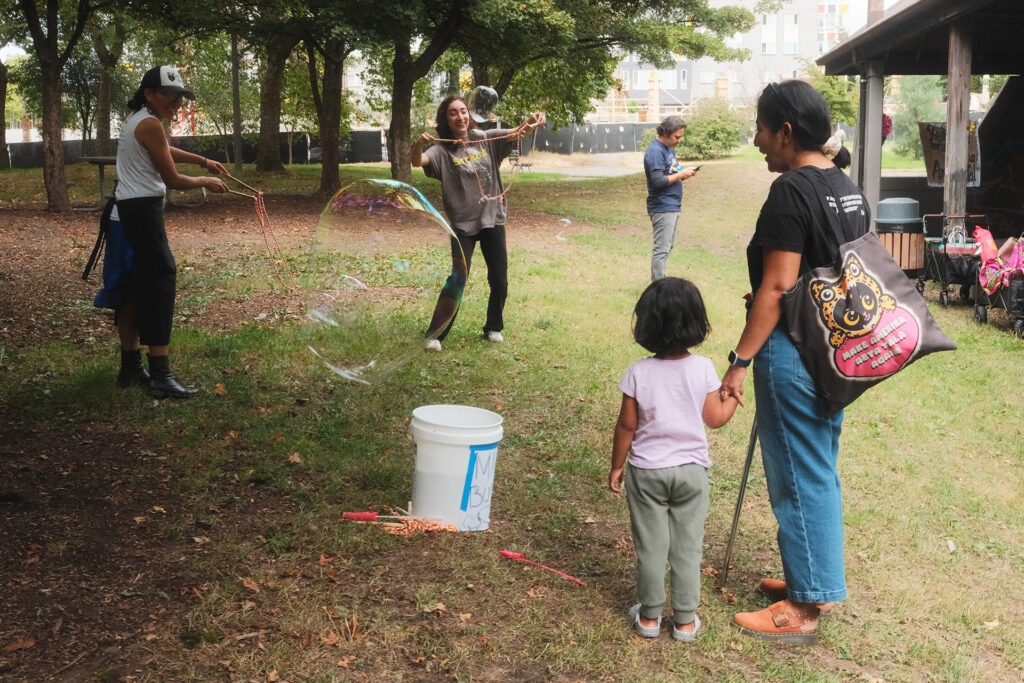
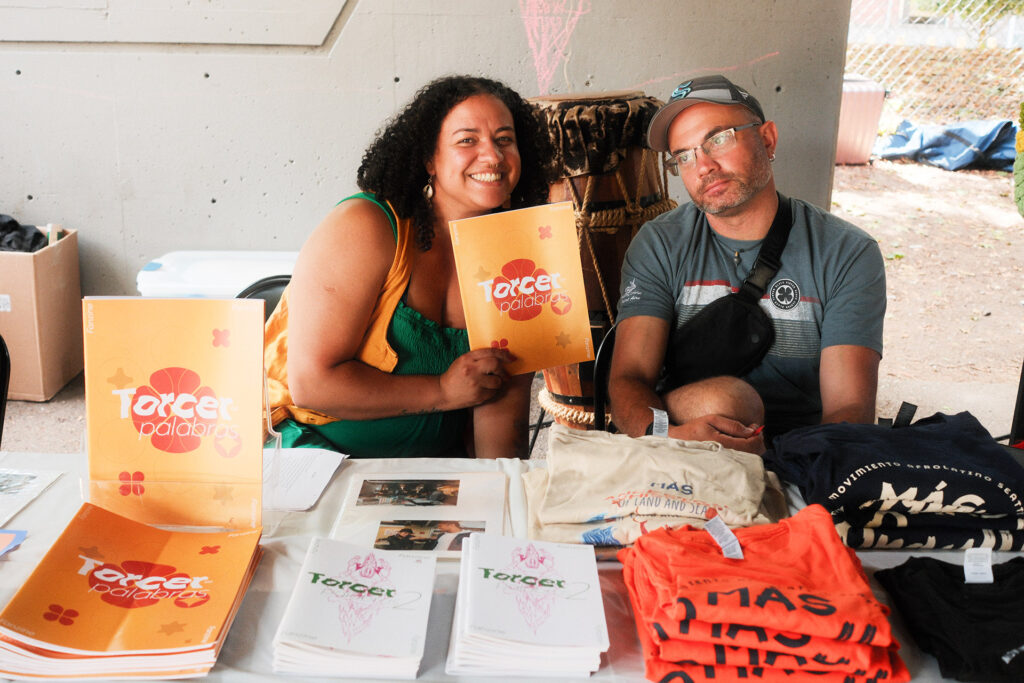
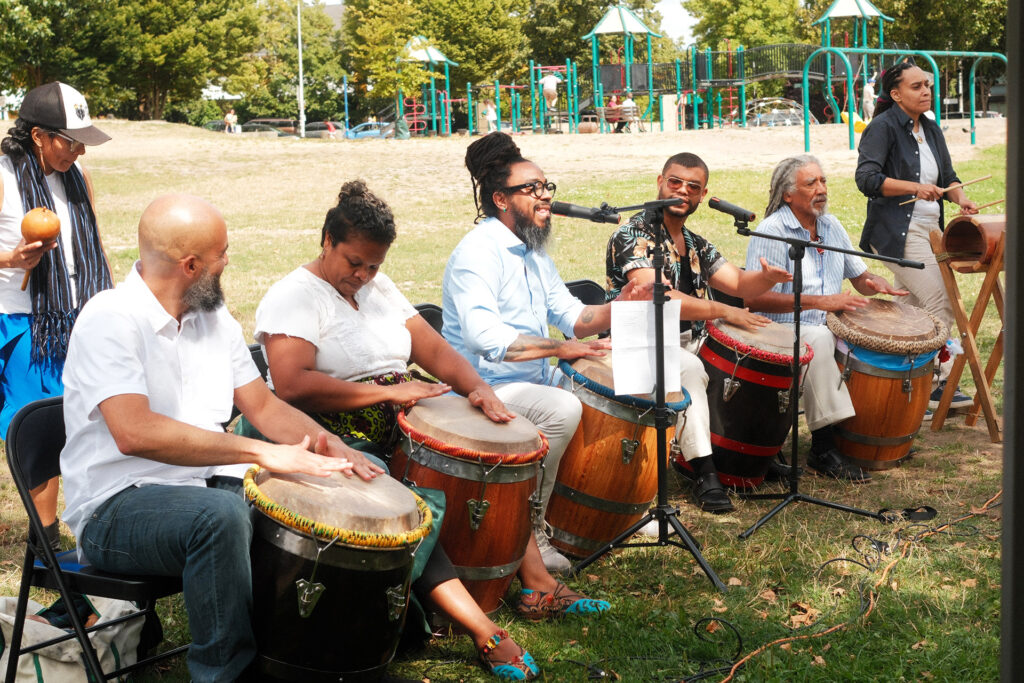
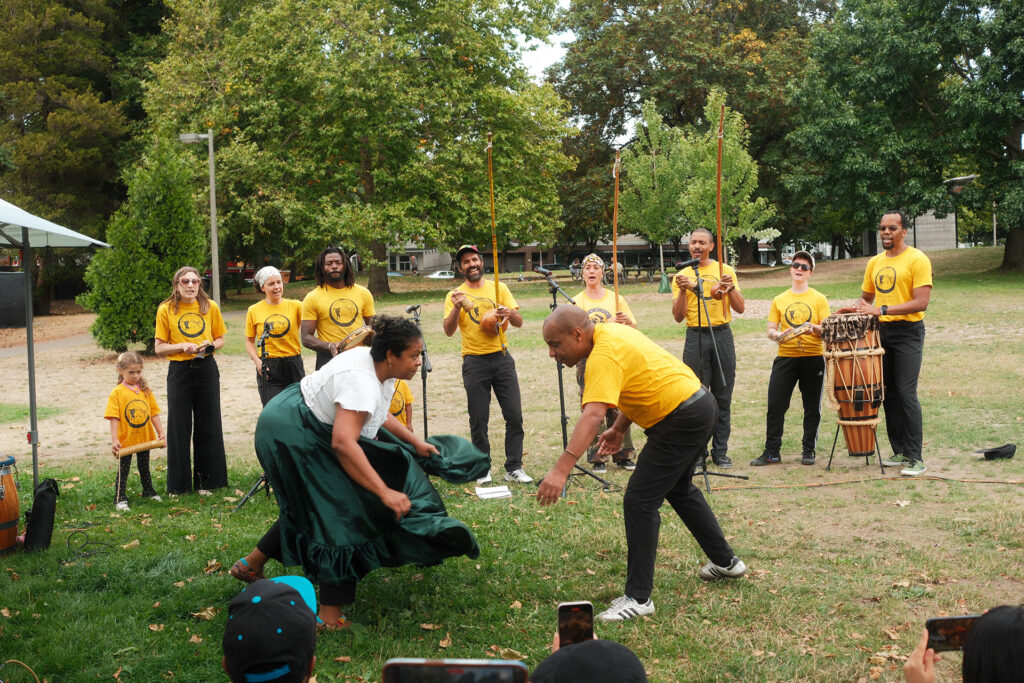
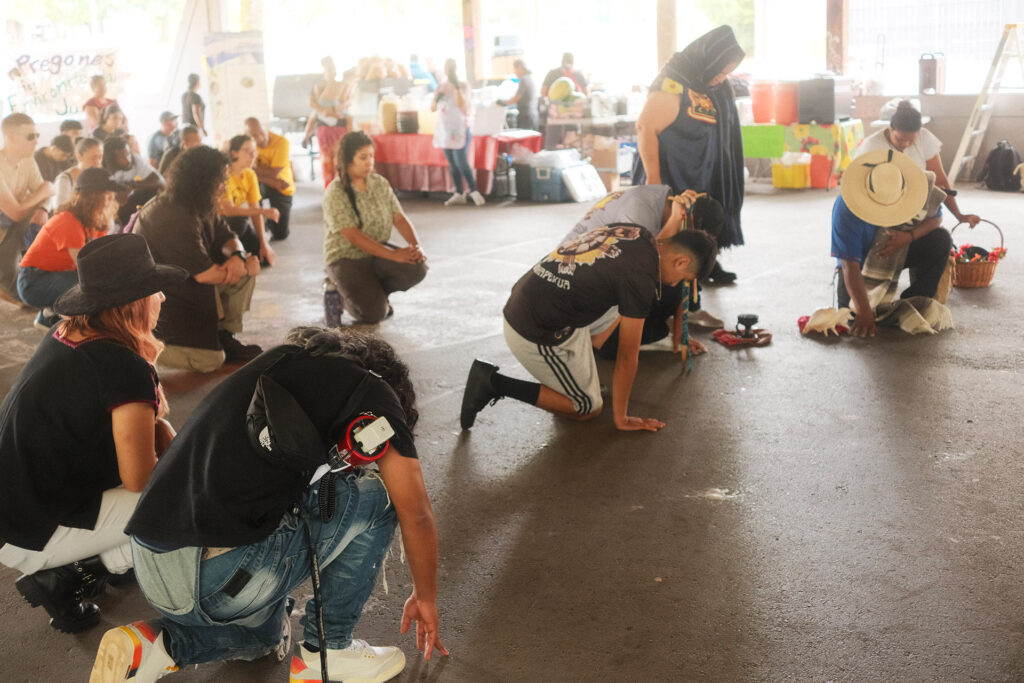
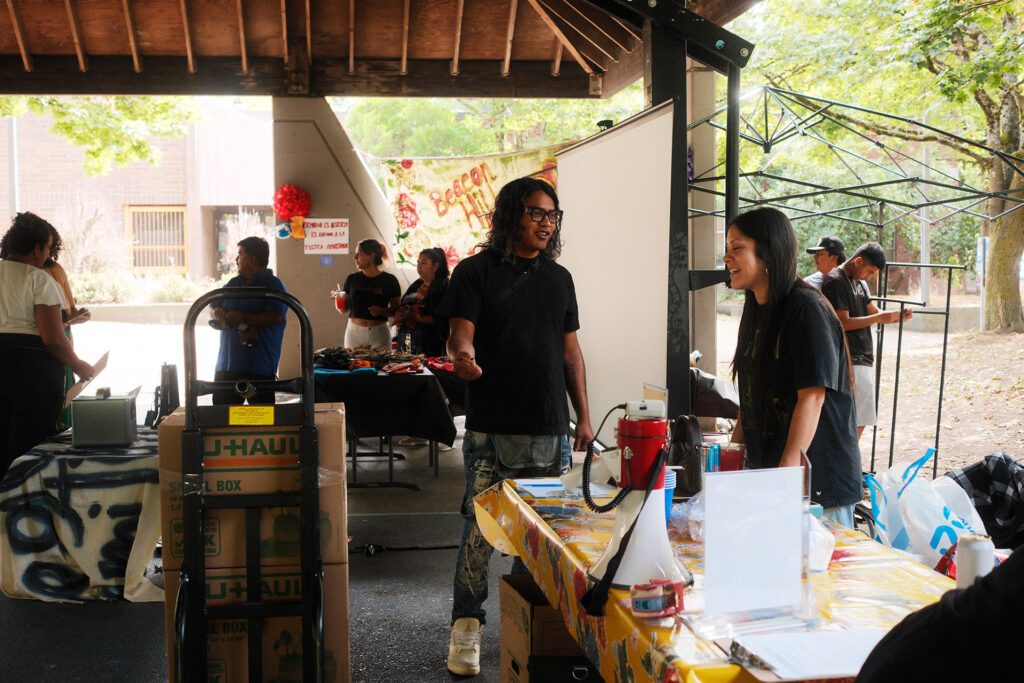
This past Sunday, August 17, Pratt Park in Seattle was transformed into a living market, stage, and altar with “Pregones for Environmental Justice,” produced by Movimiento Afrolatino Seattle with the special participation of key allies such as Otoqui Reyes and Los Hijos de Agüeybaná, and the International Capoeira Angola Foundation (ICAF) of Seattle.
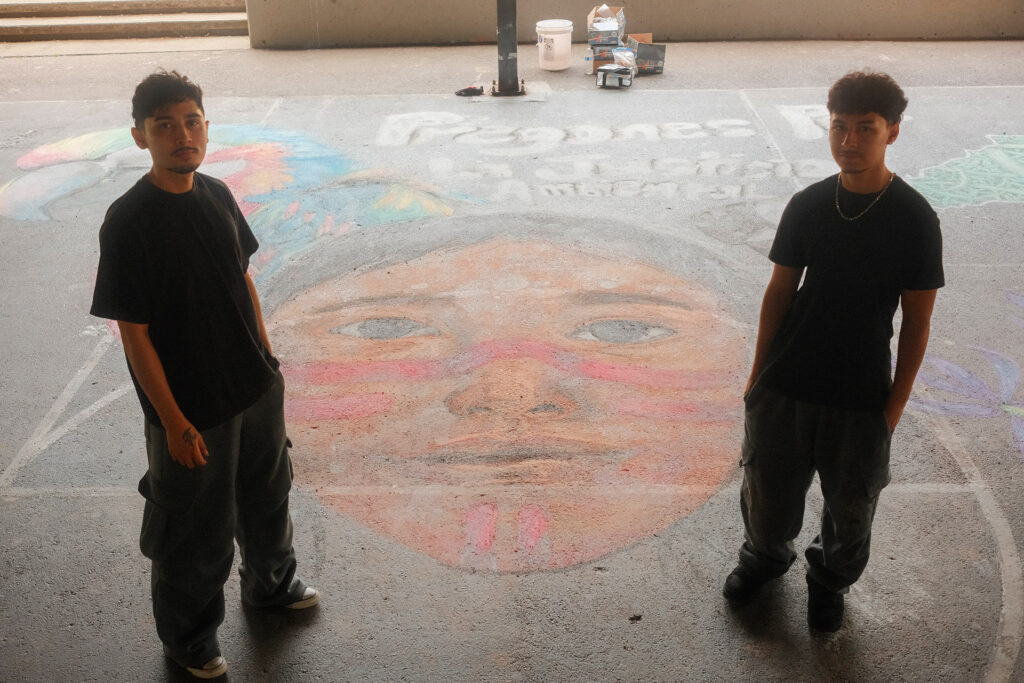
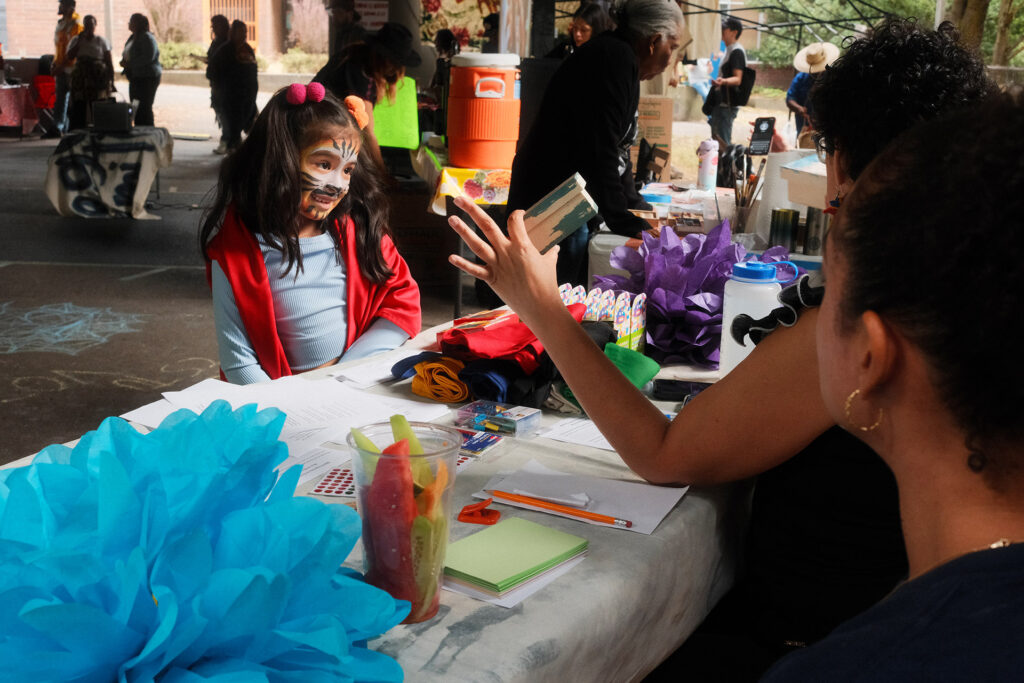
From 11:00 a.m., the space filled with tables of Afro, Indigenous, and Seattle community vendors; a chalk mural created by Honduran youth Ángel Daniel Mejía Calix and Ángel Josué Mejía Calix; conch shells, drums, and songs blessing the four directions; and explicit recognition of the Coast Salish Indigenous territory and the memory of those who built Seattle through enslaved labor.
It was not a folkloric festival. It was a political, spiritual, and aesthetic act. Each element—the pregones, the market, the mural, the drums—wove together a message: without racial justice there is no environmental justice.
Pregones are rhythmic cries that in pre-media times announced news and products. Today, reinterpreted by MÁS and Afro-Latin artists, they are cries against environmental injustice, songs to the earth and to life.
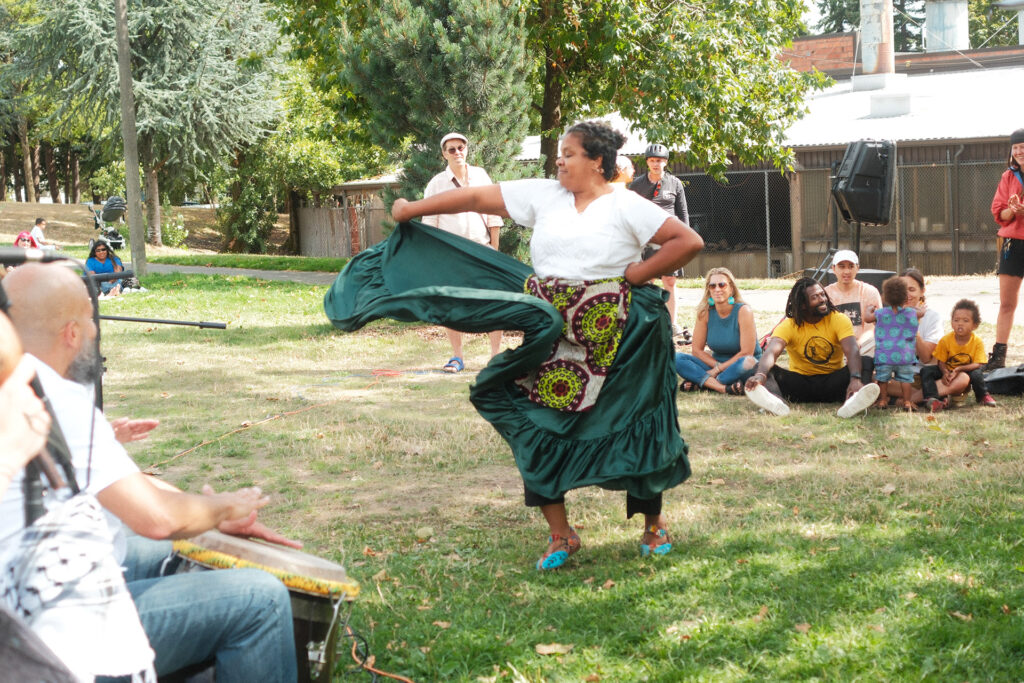
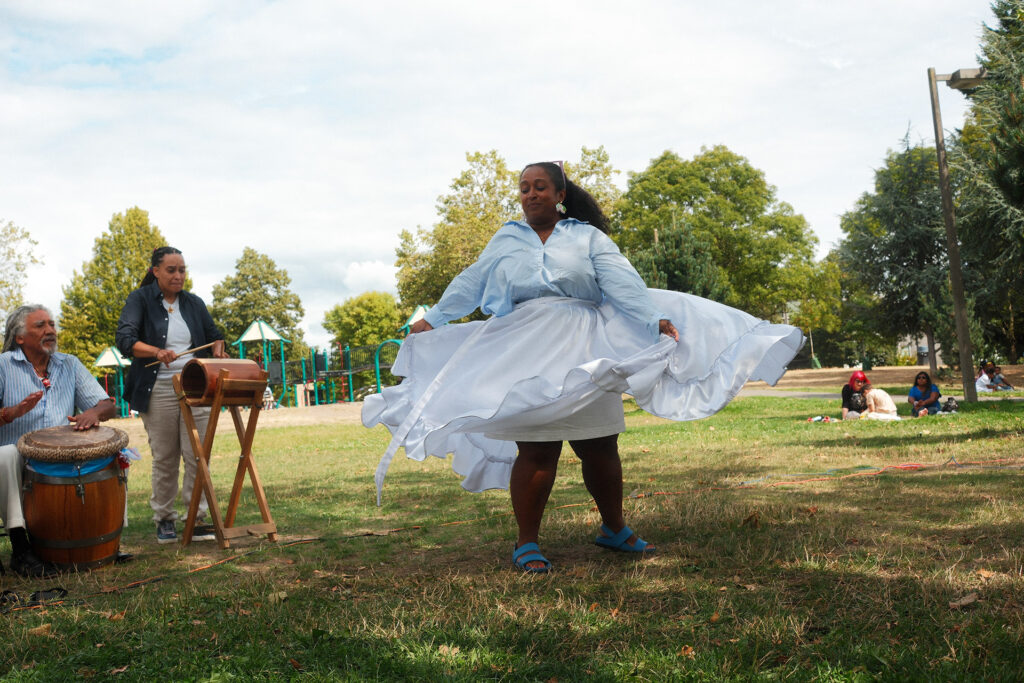
The two artistic collectives present co-created original pregones alongside Common Acre and Black Star Farmers, organizations dedicated to environmental and racial justice.
Thus, the pregón became a bridge between past and present, from colonial markets to public parks; from street announcement to political outcry.
The improvised verses resonated strongly: “we will cut down injustice with machetes” and “we are land, labor, and land.” Words and rhythms that not only inspired but also denounced an extractivist system, reclaimed the right to migrate, and exposed the environmental racism that expels and poisons. Every drumbeat and every collective chorus was memory, denunciation, and hope.
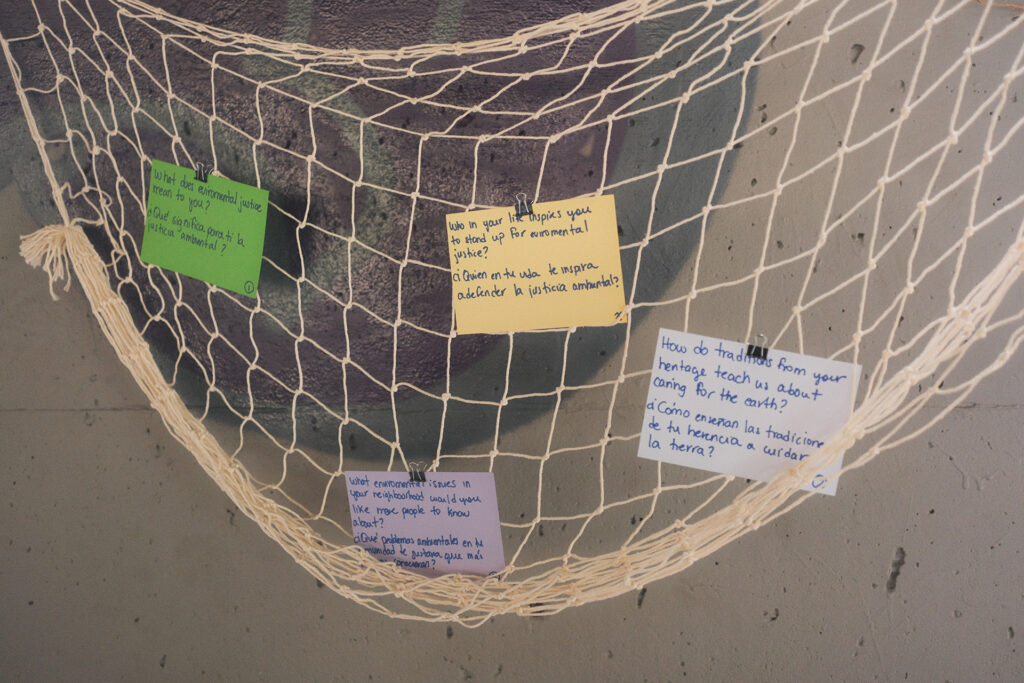
The improvised marketplace did not just sell products: it shared knowledge and memory. Music, poetry, and the chalk mural made visible what is usually invisible: that the environmental struggle is deeply racialized, and that Black, Indigenous, and migrant communities not only suffer first from the impacts of the climate crisis but also imagine and practice alternatives
Afro-diasporic art does not decorate, it confronts
In Seattle, MÁS Pregones for Environmental Justice made something fundamental clear for the global North: Afro-Latin expressions are not folklore, they are strategies of survival and resistance. MÁS took up that legacy and turned it into collective action: instead of academic panels, we had pregones; instead of official speeches, verses with machetes; instead of passive spectators, a participating community—singing, dancing, drawing, buying, recognizing itself.
Sponsored by the Seattle Office of Arts & Culture, Seattle Parks & Recreation, and the Washington State Arts Commission (ARTsWA), the event was more than a cultural gathering: it was a pedagogical and political tool connecting ancestry, resistance, and community action in the face of the global climate crisis.
An uncomfortable and urgent truth was heard at Pratt Park: there is no climate justice without racial justice.
The pregón, born from the margins, continues to be a seed of transformation. In the hands and voices of Afro-Latin artists, it becomes a path toward healing, action, and collective transformation.